On the economics, about micro-, macro- and the economics of ideas.

Oligarchy
My reading on Referendums took me to the “Iron Law of Oligarchy”, posited by Robert Michels. …
My reading on Referendums took me to the “Iron Law of Oligarchy”, posited by Robert Michels. …
Money is a means of exchange and a store of wealth. Tom Walker, in his piece on Bitcoin identifies the paradox that an asset that grows in value rapidly cannot be used as means of exchange as the opportunity cost of the purchase becomes too high. This is popularised as the $1,000,000 pizza meme. …
The Dyson Report, the lawyer led enquiry into Lewisham Council’s handling of the planning application is out …
Let’s remember, that Lewisham Deptford CLP wants to see football stay at the Den. …
The Guardian, New Statesman and their followers are restarting the argument that free University tuition is a subsidy to the middle class, again. As if progressive taxation and free tuition were exclusive. They’re not and tertiary education is an investment in Human Capital; it’s a social good. We should pay for our children’s education! After all, we expect them to pay for our pensions! …
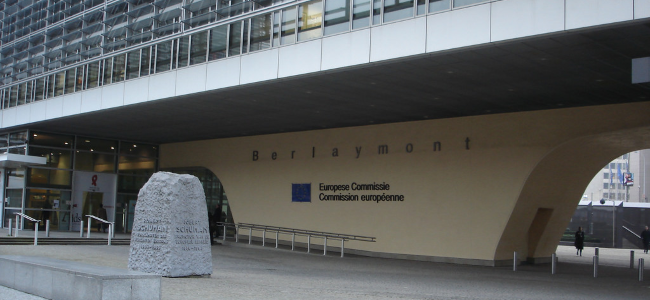
Jeremy Cliffe, Berlin Desk Chief of “The Economist” reports on the state of “negotiations” between the UK and the EU27, the remainder of the EU. It’s not pretty.
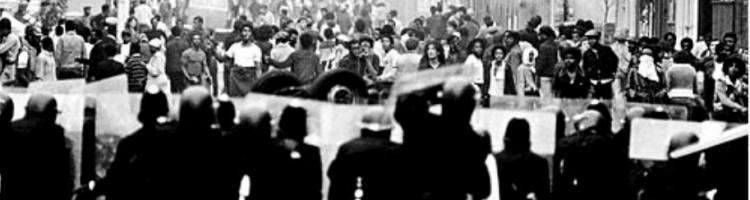
Two stories, one personal and one public showing the endemic racism in the UK in Thatcher’s ’80s and wondering how much things have changed. Originally posted as a storify, rescued and back dated to the original date.
The personal story related to watching an episode of Minder, “Poetic Justice, Innit!” and the endemic, unnecessary casual racism within it. This was cross referenced with yet another shock story of racists in the Tory cabinet.
The Minder episode was published a year after the Brixton riots, and the video copy on youtube, pointed to in the story is no longer available there. The story was made in 2017, posted here in 2020 and backdated to the date of its first publication. …
Some notes on immigration, mainly pretty serious.

Merry Xmas and a Happy New Year! …
This is a long diatribe at Hacker Noon about the Bitcoin bubble and the blockchain hype. I had been considering writing something similar although my focus was on the excessive use & cost of electricity to “mine” coins and the demonstrable industrialisation and economic consolidation of the mining operations.
Bitcoin, in particular, has a shrinking use as a means of exchange, as identified by this business insider preview of a Morgan Stanley opinion. This is compounded by the fact that the transaction fees are now too high for small or micro payments, and that it is not real time, (it can take minutes to clear) and thus cannot be used for transactions that require simultaneous exchange, be it a cup of coffee or a house.
The block chain does not scale well, despite the massively distributed architecture. If its performance is matched with say Visa or other significant global payment processors, VISA is rated at 60,000 transactions/sec (TPS) where as the Bitcoin maxes out at 7 TPS. So not only is it expensive, but it can’t cope with real world volume; it’s just as well that small transactions are deserting the platform.
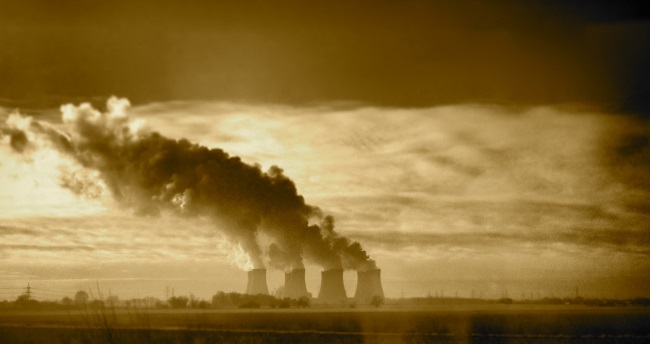
What started me thinking this time round, was the realisation that the amount of power required to “mine” the currency grows and is now significant. While the compensation for the miners is scrip/free, the real cost in electricity and thus carbon pollution is significant. This adds to the cost, both internal but more importantly the external cost. The planet cannot afford the electricity power and the carbon footprint to virtualise global capitalism’s money supply.
Kai Stinchcombe argues that the lack of regulation is also a disincentive to use crypto currencies and examines the Etherium/DAO hack and draws the conclusion that on the whole society needs contracts to be interpreted by people, not by software.
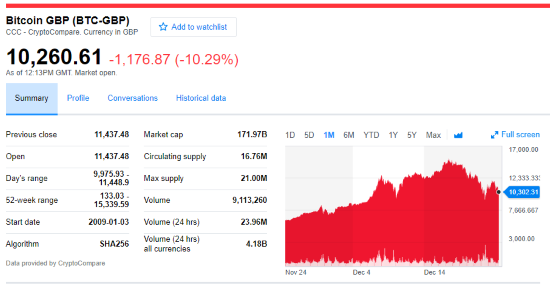
Money must be a means of exchange, and a store of wealth, block-chain crypto-currencies are struggling and increasingly failing to be the former and it’s current price peaks , historic volatility and lack of regulator suggests it’s weak as the latter. Is it just a con? …
Have I done this before? On chairing AGMs in the Labour Party
…Chapter 15.I.F.iii At the annual meeting the chair shall preside until a successor is elected, except where the chair is not a duly appointed delegate to the meeting; in which case the election of chair shall be taken as the first item on the agenda. The new chair shall take over the conduct of the meeting forthwith and proceed to the election of other officers and further business.