“Another Europe” & Citizens takeover …

“Another Europe” & Citizens takeover …

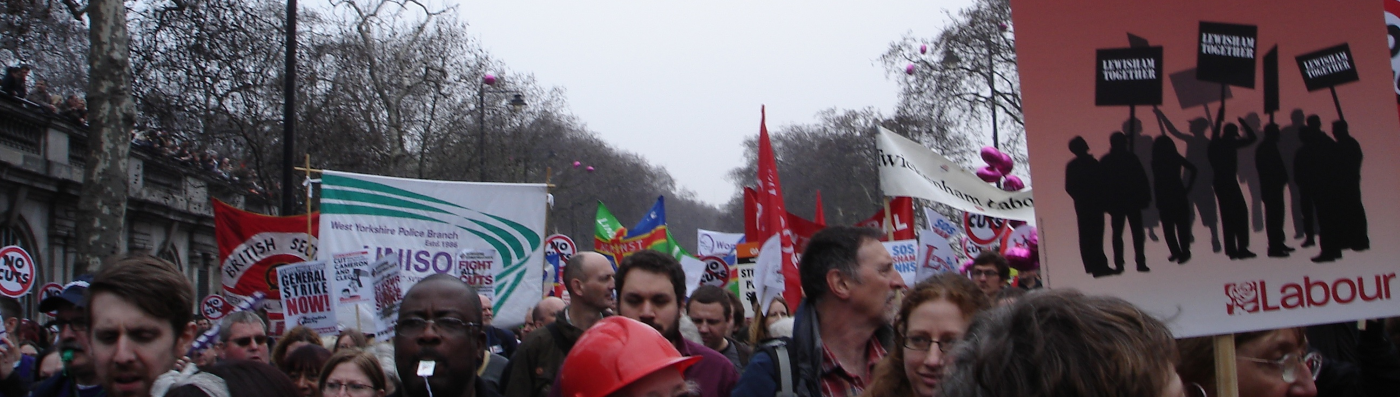
I have represented Another Europe within Citizens takeover Europe for five years and recently wrote a report on our joint work. This has been posted on the Another Europe's web site. I talked about tracking the Conference on the Future of Europe, the political denouement of CoFoE, the 2024 EP elections, the growing strength of the nationalist and far-right in the EP, citizens assemblies, the EU democracy plan and opportunities for improvement. For a lot more, read the post at Another Europe's site, for not so much, use the "Read More" button ...

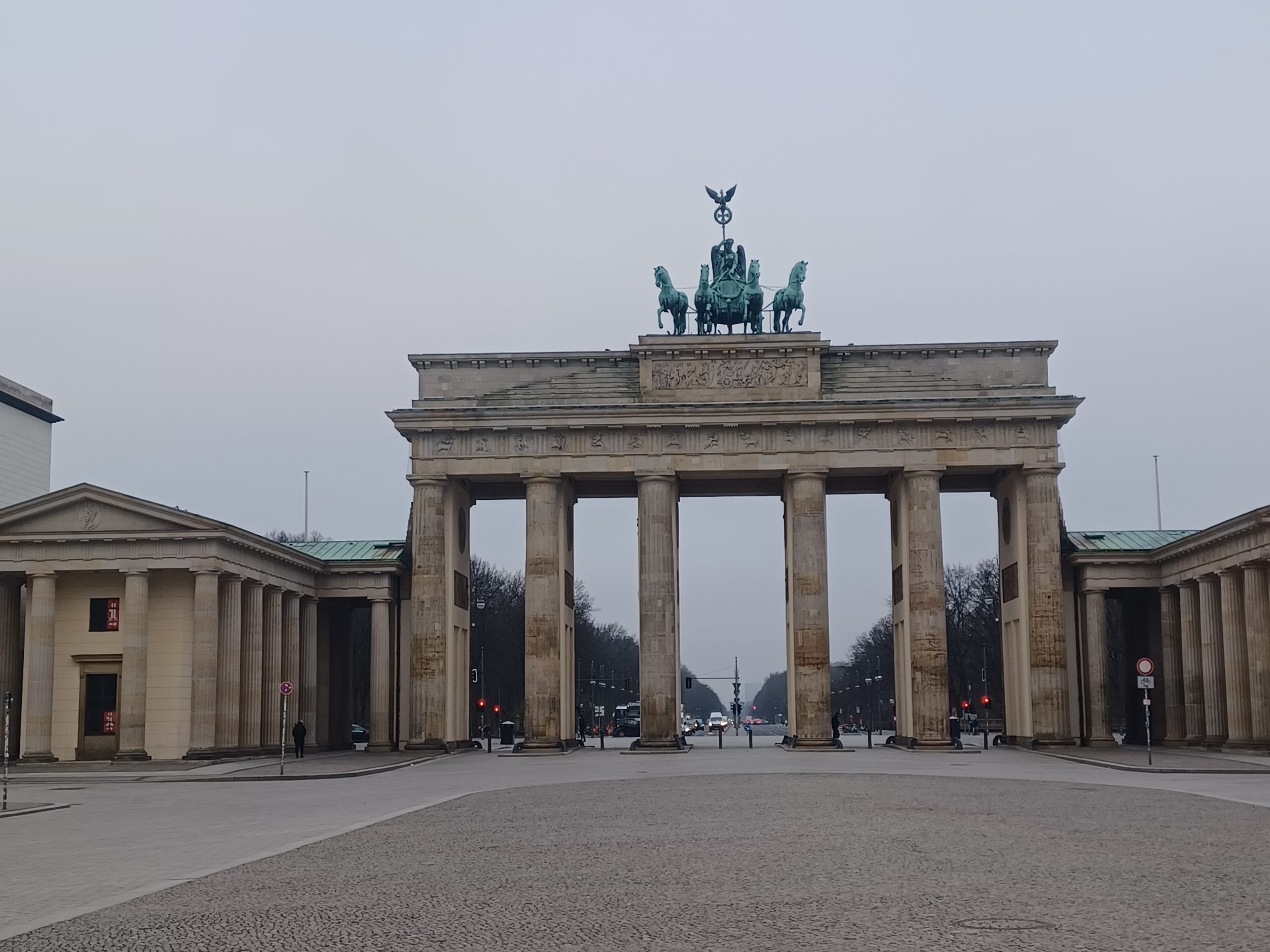
Political Tech Summit 26, Berlin

Political Tech Summit 26, Berlin

These are my notes from Political Tech Summit 26. I have focused on those sessions I attended. The technology support presents what looks like AI written summaries of the sessions which were mainly panel sessions. I have quoted from these summaries and in one case sought to re-summarise using another LLM. I have tried to humanise the text so that the article remains in my voice but also informs you of what happened. For more, see overleaf ...

Energy supply policy

Energy supply policy

I came across this cartoon, on linkedin, which reminded me of a comment made at a recent ORG meeting that the UK cannot be an AI powerhouse because our electricity is too expensive.

It’s also possible that this is one reason why the bitcoin miners are now all located in China.

It set me thinking, and I made this chart.

International Energy Prices 2026: Source google

The UK is expensive, and it would seem that this is true of the EU too.

The linkedin article argues that China’s energy investment has been about energy sovereignty. Perhaps its time the EU and UK governments thought about these issues. …

One down, more to fall

One down, more to fall

So McSweeney is permitted to resign ‘from government’ and in his apology seeks to constrain his downfall to his support for Mandelson as US ambassador. His departure gives Labour the opportunity to find its heart again as McSweeney did so much to remove it, building a party that as Martin Forde predicted, in his inquiry report, where factional loyalty counted for more than public service.

Clive Lewis writes on Facebook, saying, among other things,

That mindset hollowed Labour out. It replaced a party rooted in working-class life with a professional political caste fluent in donor networks, private dinners and elite reassurance, while communities were told to accept decline as the price of ‘responsible’ government. Politics became about managing optics and markets, not challenging vested interests or redistributing power.

McSweeney’s departure changes none of that on its own. Unless Labour confronts the culture that rewarded closeness to wealth, blurred ethical lines and treated democratic accountability as an inconvenience, this will amount to little more than damage limitation.

Remove one operator and the system that produced him remains. And unless that system is dismantled, Labour will continue to lose its moral authority, its social base, and ultimately its right to govern, leaving the ground clear for forces far worse to exploit the wreckage.

The whole piece is worth reading.

I agree with Clive, this is an opportunity, one that was always coming, to turn the government and the Party round. The Party bureaucracy and elements of the PLP need clearing out, without it, my Party’s future looks very dim.

Richard Burgon, also says, that this is only a necessary first step. …

More on the “Reset”, progress over Xmas?

More on the “Reset”, progress over Xmas?

My Union branch has passed a motion for GMB Congress calling for the Labour Government to rejoin the single market and customs union now, and for the Party to ask for a mandate to rejoin at the next election. Is this needed? I am of the view that the speed of the “Reset” is glacial and that without a change in attitude they will not achieve anything of significance or notice before the end of the parliament. For the whole article, use the "Read More" button ...

The “Reset”, progress over Xmas?

The “Reset”, progress over Xmas?

I did some searching to see if anything had developed from the EU/UK meetings in December. It seems that there have been a couple of inter-governmental meetings. Is progress being made, in the famous words, of Captain Rum, opinion be divided. I made a note on my wiki, called, Brexit reset winter 2025-26 which you might like to check out. For more, check out the wiki article, or use the "Read More" button ...

The Road not Taken

The Road not Taken

I went to an exhibition at the Deutscher Historisches Museum, called the Road not Taken. It examines seven turning points in German history and asks what might have happened if they'd turned out differently. They say, "It brings actual turning points face to face with what might have happened if it if it were not for various factors - prevented by accidents, averted by misfires or other kinds of shortcomings -are explored:" They start in 1989 with the peaceful revolution in the German Democratic Republic and end in the year 1848, when Germany first tried to attempt a democratic awakening.

For more, including an image of the poster and a video of an agamograph, use the "Read More" button ...

Single market, customs union and a poison pill.

Single market, customs union and a poison pill.

In an article, Starmer prepares for parliamentary battles over imminent EU ‘reset’ bill, jessicaelgot suggested that there is movement on the “red lines”. It is clearer on reading that this is an attempt to accelerate UK agreement to the currently on-going trade negotiations by increasing the powers of the relevant ministers.

The article uses the phrase swiss-style agreement which is highly unlikely to succeed and at the best is tone deaf as to the EU’s needs and wants.  

UK in a changing Europe, document what they see as the timetable and goals of the current reset negotiations.I see them as optimistic, and everyone seems to forget that the EU’s starting point is full implementation of the withdrawal agreement and Windsor framework; there remain, even 18 months after the general election, eight infringement proceedings unresolved.

It’s sort of interesting that they think they need new language, but to me, they have not yet changed their mind.

I also see this as a means by which the Government deflects the internal Labour Party pressure towards joining the Customs Union by posing, parts of, the single market as an alternative. It is disappointing to see so many seeing the Customs Union as sufficient advance, but the UK economy and people need and want membership of both, including, reciprocal, free movement of  people.

Labour should join the customs union and single market now and promise to rejoin the EU in its next election manifesto.

Various news sources, including the Brussels Times, report that EU is demanding a “poison pill” clause in further agreements, to make the cost of revoking the new treaties exorbitant. This should have been proposed by the UK side, and without it negotiations would stop.

I predict they won’t until they abandon the strategy of triangulating against reform and that will take significant personnel changes in the Government.


Image: from PIxabay, their licence …

Starmer, Labour and the Redlines

Starmer, Labour and the Redlines

Starmer on an interview on the BBC, reported in the Guardian, said he wanted closer alignment with the EU and its single market but no return to freedom of movement nor the customs union. In fact the reports suggest that he is presenting a new language for the current policy to try and stop the momentum towards the customs union. I don’t think this is an advance although he may change his mind; he often does, usually after some poor front bencher has just defended the policy. It’s all very, “The thick of it”.

This story was also reported in the FT, BBC & Independent. The BBC report is much clearer that there has been no change to the “Red Lines”.

 …

On public debt, yields and its affordability

On public debt, yields and its affordability

The government and Labour MPs seem fascinated by bond yields. They present the fact that UK yields are high is seen as a short cut to arguing that the Government can’t afford the interest rates on bonds and arguing that the last word on the deficit has to be held by the markets.

This article looks at what the ‘yield’ actually is, argues it is the outcome of policy decisions, that rising yields have no effect or at least very little effect on public finances. It also argues that quantitative tightening makes the affordability of the deficit worse and that alternative debt management operations would ease the situation. It also suggests that the credit default swap price is a better indicator of the market assessment of the viability of public finances. …